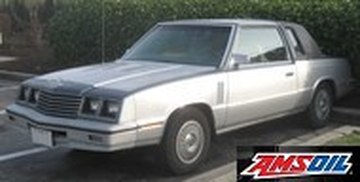
Engine Maintenance for the 1983 Dodge 600 2.2L
Maintaining an older vehicle requires consistent attention to fluid levels and component health to ensure reliable operation. For the 1983 Dodge 600 equipped with a 2.2L engine, focusing on cooling system integrity and proper lubrication practices is essential for long-term engine health.
What coolant or antifreeze products are listed for my 1983 Dodge 600 2.2L?
The following products are listed for this vehicle: ANTPC1G-EA Passenger Car & Light Truck Antifreeze & Coolant and ANT1G-EA Low Toxicity Antifreeze and Engine Coolant.
Engine Oil Lubrication Fundamentals
The engine oil serves as the primary defense against internal friction, heat, and contaminants. Regular monitoring of the oil level is a fundamental maintenance task. Checking the dipstick frequently allows you to identify potential leaks or excessive consumption before they lead to mechanical issues. When adding oil, ensure that the lubricant meets the requirements for your specific application.
For this 1983 Dodge 600 2.2L, the database allows for 10W-30 viscosity. Using an appropriate weight helps maintain a consistent film of protection on moving parts during both startup and steady-state operation. Maintaining proper lubrication levels is critical for preventing premature wear on bearings, piston rings, and camshaft components.
Cooling System Management
The cooling system is responsible for regulating the engine's operating temperature. A failure in this system can lead to rapid overheating. Beyond using the listed antifreeze products, it is important to inspect the physical condition of the cooling system components. This includes checking hoses for cracks or softness, inspecting the radiator for debris that might block airflow, and ensuring the radiator cap maintains proper pressure.
If you notice a drop in coolant levels, investigate immediately for leaks. Small leaks can often be found around hose connections, the water pump, or the radiator itself. Keeping the system full of the correct mixture prevents air pockets from forming, which can cause localized hot spots within the engine block.
Monitoring Fluid Integrity
In addition to oil and coolant, other vehicle fluids play vital roles in overall operation. While specific details for every fluid are not always available, a general rule of maintenance is to inspect all reservoirs during routine checks. This includes brake fluid, power steering fluid, and windshield washer fluid.
Contamination is a common issue with older vehicles. Oil that appears milky may indicate coolant intrusion, while oil that smells strongly of fuel could suggest an issue with the combustion process or fuel system seals. Observing the color, clarity, and smell of your fluids can provide early warnings regarding the internal state of the engine and its supporting systems.
Preventative Maintenance Scheduling
To keep a 1983 Dodge 600 running efficiently, you should not rely on guesswork for service intervals. Because vehicle usage and environmental conditions vary significantly, the most accurate way to determine when to change your oil or inspect your cooling system is to follow the manufacturer's maintenance schedule provided in the owner's manual.
Adhering to a scheduled maintenance routine helps prevent small issues from escalating into major repairs. This includes regular inspections of belts, hoses, and electrical connections. A proactive approach to maintenance is generally more cost-effective than reactive repairs following a component failure.
Identifying Potential Leaks
Leaks are common in older engines and can stem from various sources. Oil leaks may appear as dark stains on the driveway or as wetness around the valve cover gasket, oil pan, or rear main seal. Coolant leaks often leave behind colorful residue (depending on the type of antifreeze used) and may have a distinct sweet odor.
Identifying the source of a leak early allows for targeted repairs. If you notice fluid accumulating, clean the area to help pinpoint exactly where the fluid is escaping. Addressing small drips promptly helps maintain correct fluid levels and prevents environmental contamination or fire hazards associated with oil leaking onto hot exhaust components.
How often should I change the oil in my 1983 Dodge 600 2.2L?
To determine the correct oil change frequency for this vehicle, you must follow the owner's manual or the manufacturer's maintenance schedule.
BUYING ENGINE OIL
When shopping for engine oil for your 1983 Dodge 600 2.2L, always verify that the product matches the viscosity requirements specified for your vehicle. For this application, 10W-30 is the listed viscosity. Check the container labels carefully to ensure you are selecting a lubricant that meets the necessary standards for your engine's operation. Avoid purchasing generic fluids that do not clearly state their SAE viscosity grade.